
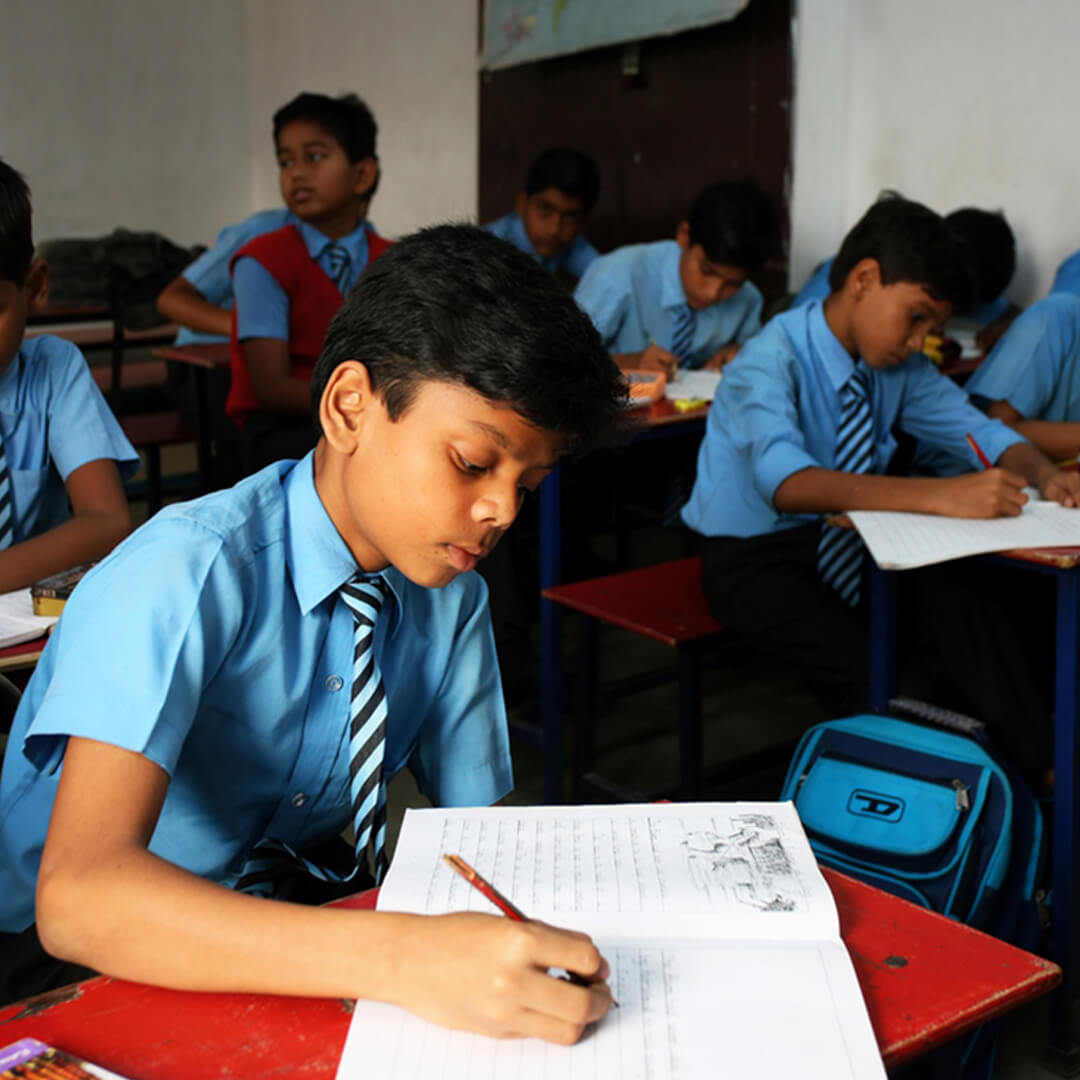

Education is a lifetime adventure that starts in early childhood and goes on through elementary and middle school. Each stage of education has a significant role in shaping a learner’s academic ability, social skills, and personal development. Early childhood education lays the groundwork for learning, primary school learning builds on what pupils already know, and secondary education gets students ready for college and jobs. These stages work together to create an organized and progressive education system that helps students grow as a whole and succeed in the long run.
Understanding Early Childhood Education
Early childhood education focuses on the formative years of a child, usually from birth to roughly eight years of age. This stage stresses emotional, cognitive, and social development through play-based and activity-oriented learning. Early childhood education helps youngsters develop linguistic skills, curiosity, creativity, and self-confidence. Early childhood education sets the stage for future academic success and positive attitudes toward learning by getting kids involved in interactive learning environments.
The Importance of Early Learning Foundations
The foundation formed during early childhood education has a lasting impact on a child’s overall development. Children who receive quality early education likely to perform better academically and socially in later years. Early childhood education supports emotional regulation, problem-solving abilities, and cooperative skills. These early learning foundations get kids ready for structured primary school learning and assist close any gaps in their learning as they go through the education system.
What Primary School Learning Does
Primary school is the link between early schooling and higher-level academic studies. This stage is all on learning to read and write, do math, and other important life skills. Primary school learning emphasizes disciplined thinking, discipline, and curiosity. Students learn to understand basic disciplines like as language, mathematics, science, and social studies. Kids learn how to study, talk to others, and be responsible in primary school.
Building Academic and Social Skills in Primary School
Learning in primary school isn’t just about getting smarter; it’s also about getting better at making friends. Students learn how to work together, respect others, and solve problems through group activities and interactions in the classroom. Students gain confidence and independence via learning in primary school. These skills are very important for doing well in secondary school, when the academic standards and obligations are much higher.
A look at the secondary education system
The secondary school system is all about studying more and becoming an expert in one area. It prepares students for higher education, vocational training, or employment. The secondary education system teaches students how to think critically, analyze information, and study in depth. Students are encouraged to explore interests and set professional goals. This stage plays a key influence in establishing academic path and career objectives.
Importance of Secondary Education for Future Growth
The secondary school system equips pupils with the information and skills required for competitive contexts. It develops individual learning, decision-making, and leadership abilities. The secondary school system gets students ready for real-world problems by giving them tests and assignments. This stage also strengthens the transfer to further education or skill-based training, ensuring students are career-ready.
Integrating Education Across All Stages
A great education system combines early childhood education, primary school, and high school into a single route of learning. Each step builds on the one before it, making sure that students can move smoothly through their studies. When these stages are linked, kids benefit from consistent learning results and balanced development. This integrated strategy encourages learning for life and being able to change.
Challenges and Opportunities in Modern Education
Modern education faces issues such as accessibility, quality, and increasing learning demands. However, it also offers potential through creative teaching methods and technological integration. We can solve these problems by making early childhood education stronger, making learning in primary school better, and bringing the secondary education system up to date. Continuous progress at all stages guarantees inclusive and effective education for all learners.
Conclusion
Early childhood education, primary school learning, and the secondary education system are vital pillars of a solid education framework. Early childhood education establishes basic skills, primary school learning develops intellectual and social talents, and the secondary education system prepares students for future success. When these stages work together, they develop confident, capable, and lifelong learners. Investing at all stages of education supports personal growth, academic performance, and societal improvement.