
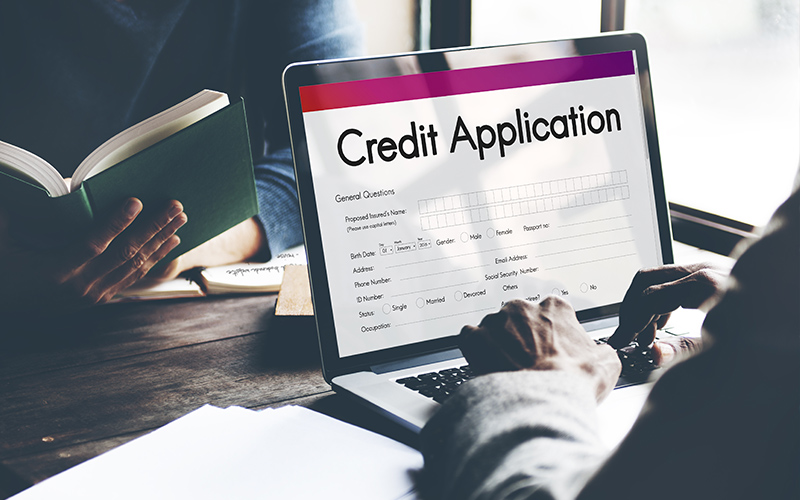

Starting with credit can feel intimidating. You may want the flexibility of a card, yet still prefer to keep your first step measured. That is why a credit card against a fixed deposit appeals to many first-time users. It brings control to something that feels unfamiliar. You are beginning with a product linked to money you have set aside.
A simple way to understand it
An FD credit card is issued against a fixed deposit you place with a bank. The deposit generally works as security, which is why this type of card is often considered by people who do not yet have a strong credit record. Instead of relying solely on income proof or an established borrowing history, the bank usually also considers the deposit linked to the card.
That makes it useful for different kinds of people. A young salaried professional may see it as a first card. A freelancer may prefer it because income can fluctuate. A student or homemaker may also find it easier to begin here. If you want to apply for credit card access without stepping into something that feels too open-ended, this route can seem more comfortable.
Why many people start here
The biggest attraction is not glamour. It is a reassurance. A secured card feels easier to understand because a deposit is required. For someone new to credit, that can reduce hesitation.
There is also a learning benefit. Your first card teaches you how billing cycles work, why due dates matter, and how spending can add up if you stop paying attention. Many people do not need a flashy product at this stage. They need a manageable one. In that sense, an FD credit card can be less about features and more about forming sound habits.
The first credit product you use often shapes how you think about borrowing later. If the experience feels clear and disciplined, you are more likely to carry those habits forward.
Building a credit record, one month at a time
A good credit profile is not built in a dramatic way. It usually grows through small, repeated actions. Use the card for genuine needs. Pay the dues on time. Keep spending within your comfort zone. Read your statement instead of ignoring it.
These may sound like basic habits, but they are often the ones that make the biggest difference. A FD credit card can help you begin this process in a steady manner. Over time, responsible usage may support your credit history and make future financial decisions easier.
That said, the card does not do the work on its own. The value lies in how you use it after approval. If you are planning to apply for credit card facilities for the first time, it helps to think beyond access and focus on behaviour.
A few things worth keeping in mind
It is still a credit product. That point is easy to forget because the card is linked to a deposit. But a linked deposit does not mean casual spending is harmless. You still need to repay on time and use the card with care.
It is also wise to read the product terms before you proceed. Understand how the deposit remains linked, the conditions that apply, and the responsibilities that come with the card. Go in with expectations, not assumptions.
Most importantly, do not treat the card as extra income. Treat it as a tool. If you use it for regular, manageable expenses and pay your dues on time, it can help you build confidence and credit discipline.
A sensible first move
Not every financial beginning needs to be bold. Sometimes, the smartest start is the one that feels stable. A card backed by a fixed deposit can offer exactly that. It gives you a structured way to begin using credit, understand repayment habits, and become more comfortable with financial responsibility.
For anyone looking for a calmer entry into borrowing, an FD credit card can be a sensible choice. It keeps the learning curve manageable, supports better financial behaviour, and helps turn your first credit experience into a useful one.