
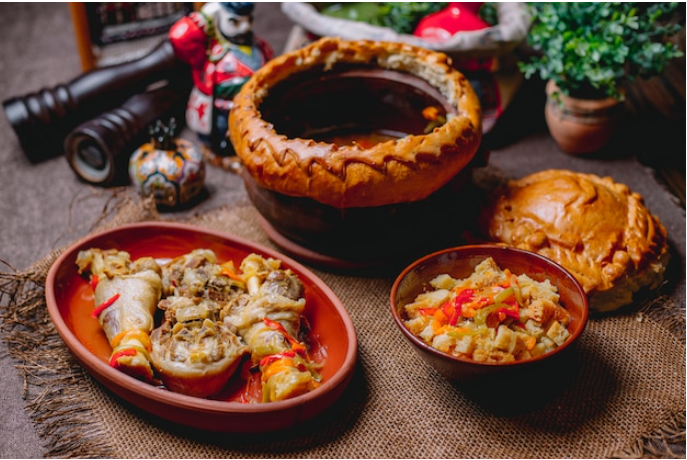

Traditional Peruvian food is a vibrant tapestry woven from diverse cultural influences and local ingredients. Its rich history reflects the evolution of a civilization that has thrived for thousands of years. Understanding the origins and developments of this cuisine provides a fascinating glimpse into the cultural heritage of Peru and its people.
Indigenous Roots and Ancient Civilizations
The story of traditional Peruvian food begins with the ancient civilizations that populated the Andes region long before European contact. The Inca Empire, one of the most significant of these cultures, cultivated crops such as potatoes, corn, and quinoa. These staples formed the backbone of traditional Peruvian food.
The Incas were skilled agriculturalists and developed sophisticated techniques for farming on mountainous terrain, which greatly enhanced food variety and availability. Their contributions to the culinary landscape laid the foundations for the diverse flavors and dishes that are celebrated today.
Spanish Influence and Culinary Fusion
The arrival of Spanish conquistadors in the 16th century marked a significant turning point in the history of traditional Peruvian food. As they settled in Peru, they brought with them ingredients such as rice, spices, and livestock, which were incorporated into local dishes.
This fusion of Indigenous and European culinary techniques resulted in new flavors and preparations, enriching the traditional Peruvian food landscape. Dishes like causa, a layered potato dish, and lomo saltado, a stir-fry combining beef and indigenous ingredients, exemplify this blend of cultures.
The Role of African and Asian Influences
In addition to Spanish heritage, traditional Peruvian food has been shaped by African and Asian influences. The arrival of enslaved Africans brought new ingredients such as plantains and techniques that enriched the cuisine.
Similarly, Chinese immigrants introduced unique flavors and preparation methods during the late 19th century, leading to the creation of a distinct culinary style known as “chifa.” This style marries traditional Peruvian food with Chinese techniques, exemplified in dishes like Arroz Chaufa, a flavorful fried rice dish that has become a staple of Peruvian dining.
Regional Diversity: A Culinary Journey Across Peru
The geography of Peru contributes significantly to the diversity found in traditional Peruvian food. From the coastal regions to the highlands and the Amazon rainforest, each area boasts unique ingredients and cooking styles. Coastal cuisines often highlight seafood, such as ceviche, made fresh with local fish and zesty lime juice.
In contrast, the highlands are known for hearty potato and grain dishes, reflecting the agricultural legacy of the Incas. Exploring these regions reveals how geography has influenced culinary practices and the identity of traditional Peruvian food.
Modern Elevation and Global Recognition
In recent years, traditional Peruvian food has gained international acclaim for its flavors and innovative techniques. Renowned chefs have begun to elevate classic dishes, incorporating modern presentation and global ingredients while staying true to their roots.
The movement towards organic and locally sourced ingredients has further increased the appreciation for traditional Peruvian food, as chefs emphasize the cultural narrative behind each dish. This renaissance has not only brought Peruvian cuisine to the global stage but also deepened pride among Peruvians for their culinary heritage.
Conclusion
In conclusion, exploring the rich history of traditional Peruvian food unveils a complex narrative that connects ancient agricultural practices with modern culinary innovations. From Indigenous roots and Spanish fusion to African and Asian influences, this cuisine encapsulates the diverse history and culture of Peru.
As traditional Peruvian food continues to evolve and gain recognition worldwide, it serves as a delicious testament to the resilience and creativity of its people, preserving the flavors of a nation steeped in history.